



How Lifestyle Impacts Your Skin
Most men think their skin changes because of age alone. In reality, it changes because of repetition. Sleep patterns. Stress levels. Diet. Sun exposure. Hydration. Shaving habits. Consistency of care. These daily decisions quietly determine whether your skin strengthens or declines.
If you’ve ever asked, how to improve my skin, the answer rarely begins with a new product. It begins with understanding how lifestyle shapes structure, recovery, and visible aging. Because skin doesn’t just age. It reflects behavior.

Understanding how age affect my skin is important, but understanding how your habits accelerate or slow that process is where control begins.
The Science Behind Lifestyle and Skin Health
Your skin is a barrier organ. It protects against environmental stress while regulating moisture and repair. Several internal and external factors directly influence its performance:
Stress (Cortisol Production)
Chronic stress elevates cortisol, which increases inflammation and oil production. Over time, this can contribute to breakouts, redness, and collagen breakdown.
Sleep Quality
Deep sleep supports cellular repair and collagen production. Poor sleep weakens recovery, leading to dull tone and slower healing.
Sun Exposure
UV radiation accelerates collagen degradation and pigment irregularities. This is one of the primary drivers of premature aging.
Hydration & Nutrition
Dehydration increases transepidermal water loss (TEWL), making skin appear tight and lined. Diets high in sugar can contribute to glycation, stiffening collagen fibers.
This is where how men's skin ages differently becomes relevant. Male skin is generally thicker and oilier, with higher collagen density in younger years. But once collagen decline begins, the drop can be more pronounced and visible, particularly around the eyes and jawline.
Lifestyle choices either stabilize that transition or intensify it.
How Age Interacts With Lifestyle
If you’re wondering how age affects my skin, the shift typically begins in the late 20s.
Collagen production slows. Cell turnover becomes less efficient. Recovery from irritation or sun exposure takes longer.
By your 30s, visible changes become clearer:
-
Fine lines remain longer
-
Uneven tone becomes more noticeable
-
Elasticity subtly declines
This is why best skincare after 30 focuses less on quick fixes and more on barrier support, antioxidant protection, and collagen maintenance.
Age is natural. Accelerated aging is optional.
The Foundation: Daily Structure
For men seeking best skincare tips for men, the framework remains simple and disciplined.
1. Cleanse Intelligently
Remove oil, sweat, and environmental buildup without stripping protective lipids.
2. Treat With Purpose
A targeted serum can address inflammation, collagen decline, or uneven texture. Consistency matters more than intensity.
3. Moisturize Daily
Barrier lipids prevent water loss and reduce visible fine lines caused by dehydration.
4. Protect From Sun Exposure
SPF is non-negotiable. UV damage is cumulative.
This is not complexity. It is structure.
Ingredient Categories That Support Lifestyle Stress
To counteract environmental and internal stress, look for formulas built around:
Humectants (Hydration Support)
-
Glycerin
-
Hyaluronic acid
These attract water into the skin and improve surface smoothness.
Emollients & Lipids (Barrier Reinforcement)
-
Ceramides
-
Squalane
These reduce moisture loss and support long-term resilience.
Soothing Agents (Inflammation Control)
-
Niacinamide
-
Panthenol
These reduce redness and help stabilize oil production.
Antioxidants (Environmental Defense)
-
Vitamin E
-
Green tea extract
These neutralize oxidative stress triggered by pollution and sun exposure.
Avoid overuse of harsh scrubs, high-alcohol formulas, and heavily fragranced products, especially if lifestyle stress is already high.
Application and Routine Integration
If your goal is how to improve my skin, execution matters.
Morning:
-
Cleanse or rinse.
-
Apply serum if needed.
-
Moisturize.
-
Apply SPF.
Evening:
-
Cleanse thoroughly.
-
Apply treatment (retinol or targeted serum).
-
Moisturize to reinforce recovery overnight.
Common mistakes that undermine results:
-
Skipping moisturizer because skin feels oily
-
Over-exfoliating in pursuit of faster results
-
Inconsistent application
-
Ignoring sleep and hydration
Skin responds to rhythm. It declines with inconsistency.
Timeline for Lifestyle-Based Improvement
First 7–10 Days:
Improved hydration balance and smoother texture.
2–4 Weeks:
More stable tone and fewer reactive breakouts.
8–12 Weeks:
Visible improvements in elasticity, firmness, and overall resilience.
Lifestyle shifts combined with consistent skincare create predictable outcomes.
Supplementary: Supporting Your System
For men who prefer structure without overcomplication, the Daily Essentials Box provides a streamlined foundation: cleanse, treat, and moisturize, engineered to work together consistently.
To reinforce barrier strength as collagen naturally declines, the Age Defying Ceramide Serum supports hydration retention and visible firmness.
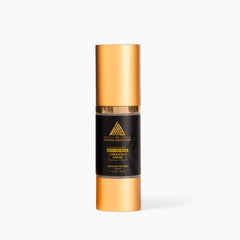
For those incorporating renewal into their routine, the Smoothing Retinol Serum helps improve texture and soften fine lines when used with discipline.
Skincare should complement your lifestyle not complicate it.
Final Take
Your skin is not separate from your habits.
It reflects stress.
It reflects discipline.
It reflects neglect.
Understanding how men's skin ages differently and how age affects my skin gives you awareness. Acting on that awareness gives you control.
If you’re serious about how to improve my skin, start with structure. Refine your sleep, hydration, and stress management. Support your barrier daily. Protect against sun exposure. Because the best long-term results don’t come from intensity. They come from consistency.