


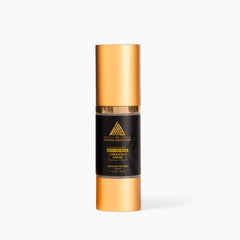

Prevent Premature Aging in Men
Premature aging doesn’t begin when wrinkles are obvious. It begins when maintenance becomes optional.
Most men notice aging only after fine lines deepen, tone looks uneven, or their face stays tired no matter how well they sleep. The frustration leads to the same search: how can a 30 plus year old man look younger.
The answer isn’t complicated. It’s disciplined prevention.
To prevent premature aging in men, you first need clarity on what causes premature skin aging: UV exposure, chronic inflammation, dehydration, shaving irritation, pollution, poor sleep, and inconsistent routine. These forces don’t “hit” all at once, they compound slowly until the decline becomes visible.

Men also ask why does skin wrinkle as we age. Wrinkles form when collagen and elastin weaken, hydration drops, and the skin barrier loses its ability to protect and repair efficiently. That process is natural. Premature aging is what happens when daily stress accelerates it.
This is why skincare is basic health care. Skin is your body’s first line of defense. Maintain it, and it performs. Neglect it, and breakdown shows up on your face.
The Skin Science Behind Premature Aging
Aging becomes visible through a few predictable systems:
Collagen decline (structure): Collagen is the framework that keeps skin firm. Production slows with age, but UV exposure and chronic inflammation accelerate breakdown.
Barrier disruption (protection): The skin barrier is built from lipids (including ceramides) that prevent moisture loss. When it’s compromised, water escapes, irritation rises, and fine lines become more noticeable.
Oxidative stress (damage accumulation): Sun and pollution create free radicals that damage skin cells and weaken repair over time. Antioxidant support reduces the burden.
Glycation (stiffness): High-sugar diets and chronic stress can contribute to glycation, processes that make collagen fibers more rigid, reducing elasticity.
If you’re serious about anti aging men's skin care, you’re not chasing “instant results.” You’re protecting structure, barrier, and recovery capacity.
Why These Product Types Work
Prevention isn’t about more steps, it’s about using the right categories consistently. Cleansers work when they remove sweat, oil, and pollution without stripping barrier lipids. Strip the barrier and your skin compensates with irritation, dehydration, and unstable oil production.
Serums work because they deliver concentrated actives in lightweight formulas that absorb efficiently. A well-chosen serum targets collagen support, discoloration, or barrier stability, especially useful if you’re choosing a serum for face men's routines.
Moisturizers work by sealing hydration and reinforcing barrier lipids. This reduces transepidermal water loss (the slow evaporation that makes skin look tight and lined). Retinoids/retinol work by supporting cell turnover and signaling pathways that improve texture and soften visible lines over time, when used correctly and consistently.
That’s how to deal with aging skin: protect the barrier, support renewal, and reduce daily damage.
Ingredient Breakdown by Function
Humectants (Hydration Binders)
These pull water into the skin to keep it plump and resilient.
-
Glycerin
-
Hyaluronic acid
-
Panthenol
Why it matters: Hydrated skin shows fewer surface lines and recovers faster after shaving and environmental exposure.
Emollients and Lipids (Barrier Support)
These reinforce the barrier so skin retains moisture and stays calmer.
-
Ceramides
-
Squalane
-
Fatty acids
Why it matters: Barrier strength is the difference between “aging normally” and looking prematurely worn.
Soothing and Repair Ingredients
These reduce inflammation that accelerates breakdown.
-
Niacinamide
-
Allantoin
-
Centella asiatica (cica)
Why it matters: Low-grade inflammation is a silent driver of premature aging.
Antioxidants (Free Radical Control)
These reduce oxidative damage from sun and pollution.
-
Vitamin E
-
Ferulic acid
-
Green tea extract
Why it matters: Oxidative stress weakens collagen and slows repair over time.
Renewal and Cell-Communication (Long-Term Texture)
These support smoother texture and visible aging control when used with discipline.
-
Retinol (or other retinoids)
-
Peptides
Why it matters: These improve texture and firmness gradually, results show in weeks, not days.
Ingredients to Avoid and Buyer Red Flags
If the goal is stability, avoid formulas that create short-term “feel” at long-term cost.
Ingredients to avoid (or minimize):
-
High amounts of denatured alcohol (can increase dryness and irritation)
-
Harsh sulfates in cleansers (often overly stripping)
-
Heavy fragrance loads (common irritation trigger)
-
Aggressive physical scrubs (micro-tears, inflammation)
Buyer red flags:
-
Products marketed around “tingling” as proof they work
-
Overly complex routines with multiple strong actives layered together
-
“Overnight wrinkle erase” promises (unrealistic and often irritating)
Remember: taking care of aging skin is important, but it has to be done intelligently.
Application and Routine Integration
If you’re unsure what are the steps to a skincare routine, keep it disciplined:
Morning (AM)
-
Cleanse (or rinse if dry/sensitive)
-
Serum (if using)
-
Moisturize
-
SPF (non-negotiable for prevention)
Night (PM)
-
Cleanse
-
Treatment (retinol on designated nights, or a targeted serum)
-
Moisturize
Common application mistakes:
-
Using too much product (more isn’t better)
-
Applying actives on wet skin (can increase irritation)
-
Starting retinol too frequently (causes redness, then men quit)
Consistency is the multiplier. That’s how can a 30 plus year old man look younger without aggressive, reactive routines.
Common Mistakes That Accelerate Aging
-
Skipping SPF daily
-
Washing with hot water
-
Over-exfoliating or using harsh scrubs
-
Skipping moisturizer because skin “feels oily”
-
Inconsistent application (the #1 reason routines fail)
The skin doesn’t need intensity. It needs reliability.
Timeline for Results
Days (3–7): Better hydration balance, less tightness
Weeks (2–4): Smoother texture, calmer tone, fewer flare-ups
8–12 Weeks: Visible improvement in fine lines, firmness, and overall resilience
No exaggerated promises. Just predictable outcomes earned through repetition.
Supplementary: TMG Routine Support and Internal Links
If you want structure without guesswork, the Daily Essentials Box builds a consistent foundation: cleanse, treat, moisturize, engineered to work together daily.
For barrier resilience and long-term firmness support, the Age Defying Ceramide Serum reinforces barrier lipids as collagen naturally declines.
If your focus is texture and long-term smoothing, the Smoothing Retinol Serum supports renewal when introduced gradually and used with discipline.
For a complete routine framework, you can also reference the TMG Skin Care Routine Guide (internal resource hub) to keep your system simple and repeatable.
Final Takeaway
Premature aging isn’t mysterious. It’s predictable.
Once you understand what causes premature skin aging and why does skin wrinkle as we age, the solution becomes clear: protect your barrier, reduce daily damage, and support renewal consistently. That’s the real standard of anti aging men's skin care.
Treat it as maintenance. Because skincare is basic health care, and taking care of aging skin is important long before aging looks obvious. Refine your routine. Elevate your standard.